


According to data from Enterprise Singapore, bilateral trade relations in 2025 recorded a strong upswing. Total two-way trade between the two countries reached nearly SGD 40 billion, up 26.2% compared to 2024, officially surpassing the previous record of SGD 31.67 billion.
SEAFOOD JUMPS THREE PLACES TO THIRD POSITION
Notably, Singapore’s import growth from Vietnam far outpaced the reverse flow. While Singapore’s exports to Vietnam rose by 16.1% to SGD 26.8 billion, imports from Vietnam surged by 53.2% to SGD 13.1 billion. This firmly positioned Vietnam as Singapore’s 10th largest trading partner.
Considering only domestically originated goods from both sides, excluding re-exported items, Vietnam recorded a trade surplus of more than SGD 5.8 billion with Singapore. This outcome reflects sustained efforts in implementing free trade agreements and long-term trade promotion activities.
Although Singapore posted a trade surplus of around SGD 13.7 billion with Vietnam overall, the structure of traded goods shows significant divergence. Machinery and electrical equipment accounted for the largest share, but 96.5% consisted of re-exported goods from third countries. In contrast, fuels and petroleum products were overwhelmingly domestically produced, accounting for 99.1% of their total value.
On the other hand, Vietnam saw a sharp rise in exports of machinery and electrical equipment, valued at over SGD 6.7 billion, up 112%, while exports of nuclear reactors and mechanical equipment reached SGD 3.3 billion, an increase of 79.6%.
The most striking highlight of Vietnam’s export performance in 2025 was the strong rise of the seafood sector. From sixth place in previous years, Vietnamese seafood made a “leap forward” to become the third-largest supplier to Singapore, behind only Malaysia and Indonesia.
With total export value reaching SGD 125.5 million in 2025, up 10.7% year-on-year, Vietnam now holds 10.3% of Singapore’s total seafood import market. In the first quarter of 2025, Vietnam surpassed China to rank fourth, and by year-end successfully secured third place.
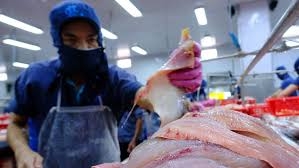
The core products underpinning Vietnam’s dominance in this market are fish fillets and chilled/frozen fish meat. Exports of this category reached SGD 63 million, up 4.8%, accounting for 29.7% of market share in Singapore and maintaining a clear leading position.
Meanwhile, other product groups also recorded impressive growth, with mollusks rising by 35.8% and crustaceans increasing by 25.4%.
INNOVATION TO STAY AHEAD
Despite these positive results, the Vietnam Trade Office in Singapore warned that competitive pressure remains intense from other major seafood-exporting nations. Norway leads the fresh and chilled fish segment with a 42.5% market share; China ranks fourth, directly competing in crustaceans and mollusks; and Japan holds fifth place, with strengths in frozen fish and mollusks.
“The gap in export value between Vietnam and competitors such as China or Norway is not large. This means Vietnamese enterprises cannot afford complacency,” the Trade Office emphasized. It added that with Singapore’s seafood market expected to remain stable in scale, Vietnam has a solid foundation to maintain a high market share, particularly in fish fillets.
The combination of enterprises’ own efforts and timely government support policies will be the key to enabling Vietnamese fish and shrimp to continue expanding their reach in this strategic market.
However, to sustain its Top 3 position and penetrate deeper into a demanding market such as Singapore, the Vietnam Trade Office has put forward strategic recommendations for both businesses and regulators.
For enterprises, innovation is essential to lead the market. This includes upgrading technology, adopting advanced machinery to ensure consistent output and quality, and meeting Singapore’s stringent standards. At the same time, on-the-ground promotion should be strengthened, enhancing local presence not only to sell products but also to build a national brand.
State agencies are encouraged to support small and medium-sized enterprises in applying information technology and e-commerce to export activities, while intensifying the organization of trade delegations to international exhibitions to raise the visibility of Vietnamese products.
Source: vneconomy.vn

