


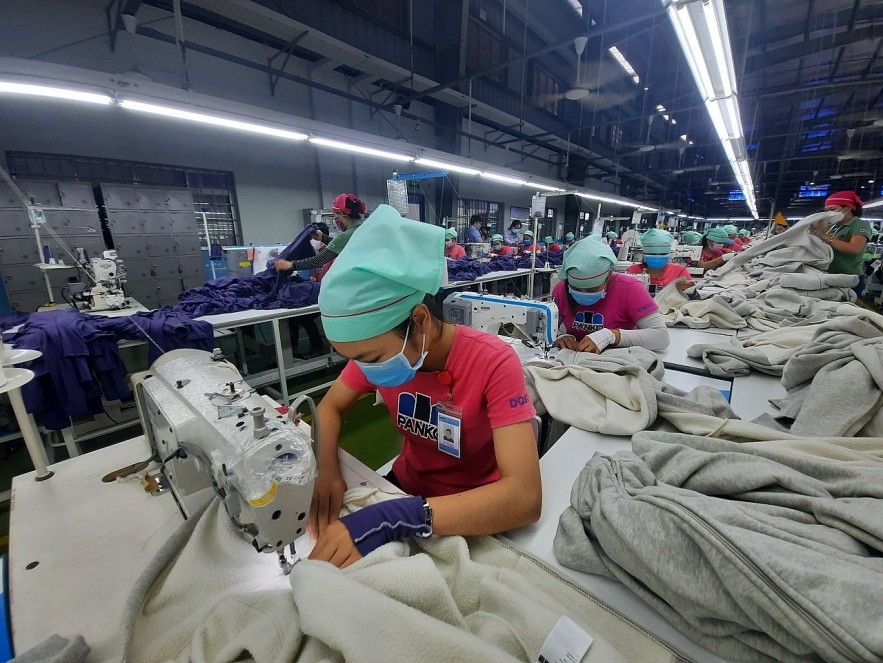
The content was highlighted in a newly released research report by the International Labour Organization (ILO) on the impact of minimum wages in Vietnam.
According to the ILO, low wages remain a persistent issue affecting many workers in Vietnam. Although average nominal wages have increased in recent years, real wages remain low when inflation is taken into account, underscoring the important role of minimum wages in ensuring workers’ living standards.
Using data from labor force surveys, the study finds that the proportion of workers in Vietnam earning below the minimum wage is relatively low.
In 2023, about 3.8% of workers working at least 35 hours per week earned less than the monthly minimum wage, while around 3.3% earned below the hourly minimum wage.
Workers in the formal sector—defined as those participating in social insurance—have a lower incidence of earning below the minimum wage compared to informal workers.
Certain groups, such as women, older workers, and those with lower levels of education, are more vulnerable and more likely to receive wages below the minimum threshold.
Compliance levels also vary across industries and regions. The highest share of workers earning below the minimum wage is found among household workers, while the lowest is recorded among employees in private enterprises and foreign-invested companies.
However, some public-sector workers still earn below the minimum wage, as wages in this sector are calculated by multiplying salary coefficients by the base wage. As a result, newly recruited workers with low coefficients may receive monthly wages below the minimum threshold.
By region, jobs paying below the minimum wage are most common in the Central Highlands and the Mekong Delta, and are concentrated in sectors such as agriculture, food production, and accommodation and food services.
More importantly, using labor force and enterprise data from 2012 to 2023, the study indicates that minimum wage adjustments have not had a significant impact on employment levels or business performance, but have affected labor costs, competitiveness, and workers’ access to social insurance.
These findings may reflect the fact that the current minimum wage remains relatively low compared to prevailing market wages.
Participating enterprises reported that minimum wage increases also raise labor and social insurance costs, indirectly affecting input costs. This, in turn, reduces competitiveness, particularly in labor-intensive industries.
To respond, businesses may invest in technology, cut non-essential expenses, or consider relocating operations to regions or countries with lower minimum wage levels.
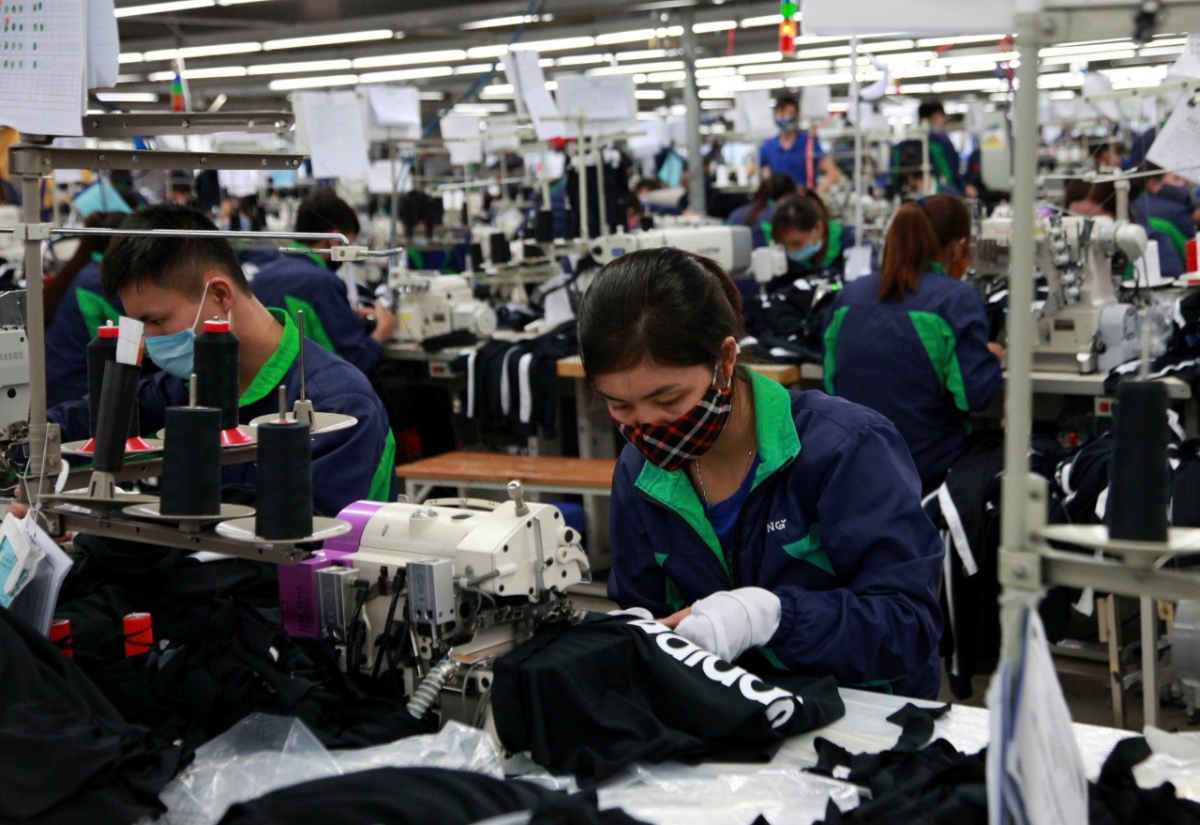
From the workers’ perspective, the research team noted that minimum wage increases may provide a modest boost to income, but current wage levels are often still insufficient to cover living costs.
The most tangible benefit lies in higher social insurance contributions, which translate into improved long-term entitlements. In addition, wage adjustments can create more favorable conditions for effective collective bargaining, particularly when workers actively participate in the negotiation process.
Based on these findings, the study puts forward three key policy recommendations.
First, minimum wage adjustments should follow a transparent and predictable roadmap, balancing workers’ needs with broader economic factors.
Second, controlling inflation is crucial to ensure that nominal wage increases translate into real income gains for workers.
To ensure that businesses also benefit, minimum wage policies should be effectively integrated with broader socio-economic measures, such as efforts to improve the business environment.
Finally, strengthening collective bargaining mechanisms would help align minimum wage policies with broader labor and business objectives, thereby enhancing the effectiveness of wage-setting mechanisms.
In Vietnam, the minimum wage is typically adjusted on an annual basis. Under current regulations, it is set based on the minimum living standards of workers and their families.
In addition, minimum wage determination also depends on market wage levels, the consumer price index (CPI), economic growth, labor supply and demand, employment conditions, labor productivity, and enterprises’ ability to pay.
Source: vneconomy.vn

