


According to the Vietnam Trade Office in France, information from the French side indicates that the legal basis of the decree is Article 54 of Regulation (EC) No. 178/2002, which allows the application of emergency measures to prevent risks to human health. The decree was promulgated on January 5, 2026. However, for it to officially enter into force, France must obtain approval from the European Commission (EC) within 10 days from the date of issuance.
Regarding the implementation period, the ban is set to apply for one year, or until the EC adopts measures at the EU-wide level. This is considered a temporary preventive measure, but one that could create significant technical barriers for goods from third countries, including Vietnam.
The French decree focuses on five plant protection active substances that have already been banned for use in the EU, but for which maximum residue limits (MRLs) still exist in import dossiers under previous regulations. These substances include Mancozeb, Thiophanate-methyl, Glufosinate, Carbendazim and Benomyl.
Specifically, Mancozeb is commonly detected in products such as mangoes, avocados, papayas, table grapes, potatoes, berries (strawberries, etc.), lettuce and chili peppers. Thiophanate-methyl is found in mangoes, papayas, citrus fruits, stone fruits, melons and certain cereals such as wheat and oats. Glufosinate is mainly associated with potatoes. Meanwhile, Carbendazim and Benomyl are often detected in mangoes, papayas, citrus fruits, apples, pears, legumes, cereals and mushrooms.
Notably, France also provides a grace period for consignments that were traded before the decree takes effect. Accordingly, the ban does not apply to food consignments purchased by importers within a maximum of one month from the effective date of the decree, with the expected deadline around mid-February 2026. After this point, all consignments imported into France must fully comply with the new regulations.
In addition, the decree requires importers in France to implement strict control measures, including the collection of origin information and risk analysis, as well as requesting evidence and residue analysis results from exporters to ensure the absence of the banned substances.
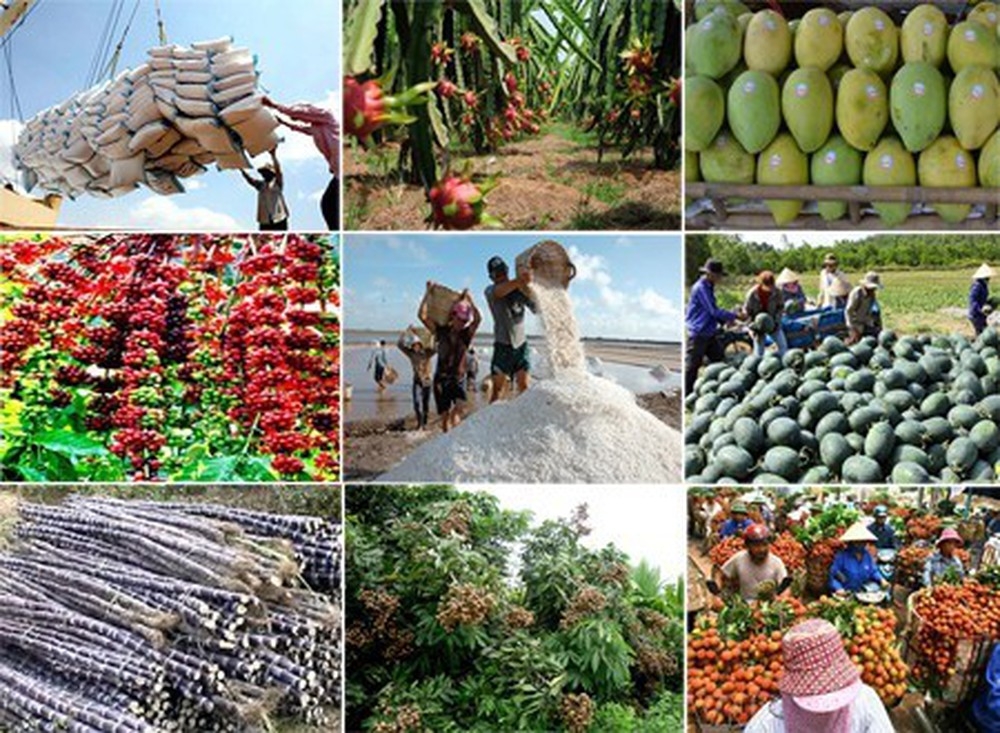
The Ministry of Industry and Trade assesses that the new French regulation will directly affect several of Vietnam’s key export products to this market, particularly mangoes, avocados, passion fruit and many other fruits and vegetables. As France is one of the important agricultural product consumption markets within the EU, tighter controls on pesticide residues are expected to increase compliance requirements across the production and export chains of Vietnamese enterprises.
In light of these developments, the Ministry of Industry and Trade recommends that agricultural producers and exporters proactively review their entire cultivation, harvesting and post-harvest handling processes, and strictly control residues of the five aforementioned plant protection substances for products exported to France. At the same time, enterprises should closely coordinate with importing partners to update technical requirements and prepare complete documentation and testing results in order to minimize the risk of customs clearance rejections in the coming period.
As EU markets continue to strengthen food safety controls, this is considered a mandatory requirement for Vietnamese agricultural products to maintain market access and ensure a sustainable presence in high-end markets.
Source: vneconomy.vn

