


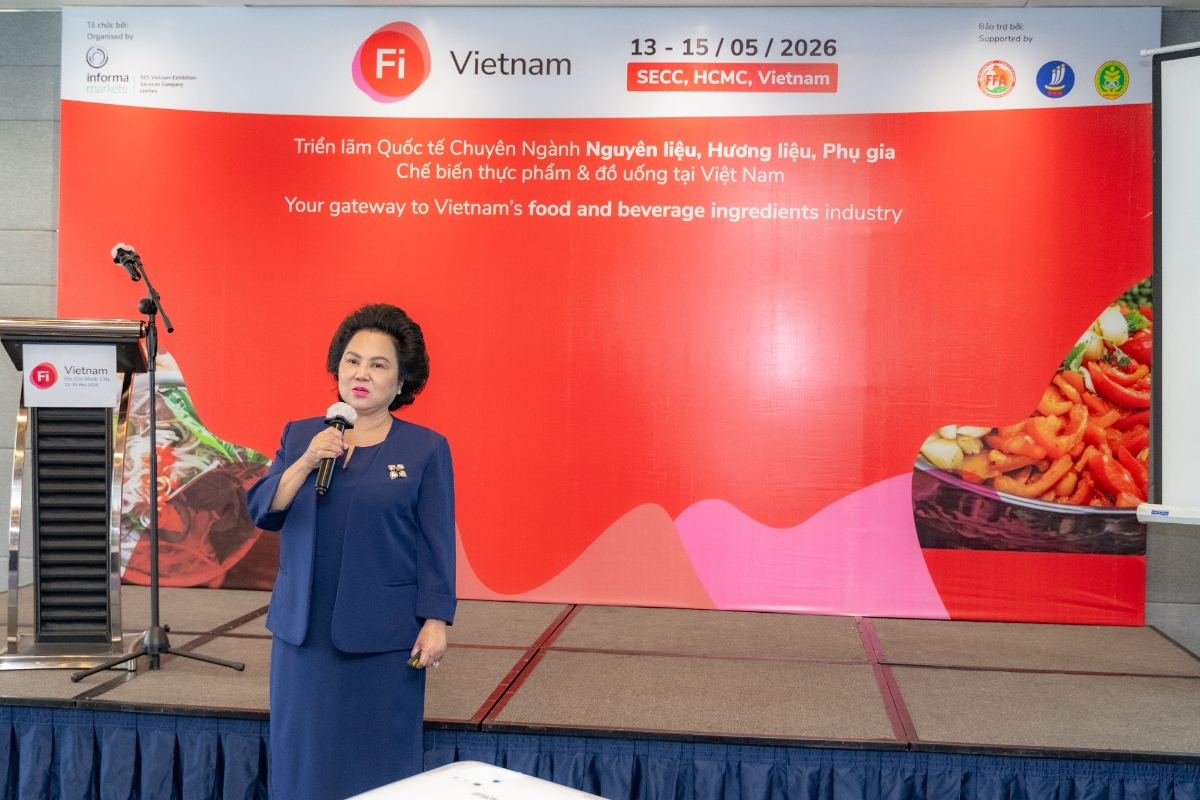
The above assessment was presented at a press conference on April 9, 2026, introducing the Vietnam International Exhibition on Food, Beverage Ingredients, Flavors, and Processing Additives (FI Vietnam 2026).
The event is scheduled to take place from May 13 to 15, 2026, in Ho Chi Minh City. It is jointly organized by the Ho Chi Minh City Food and Foodstuff Association (FFA), the Vietnam Association of Food Science and Technology (VAFoST), and related partners.
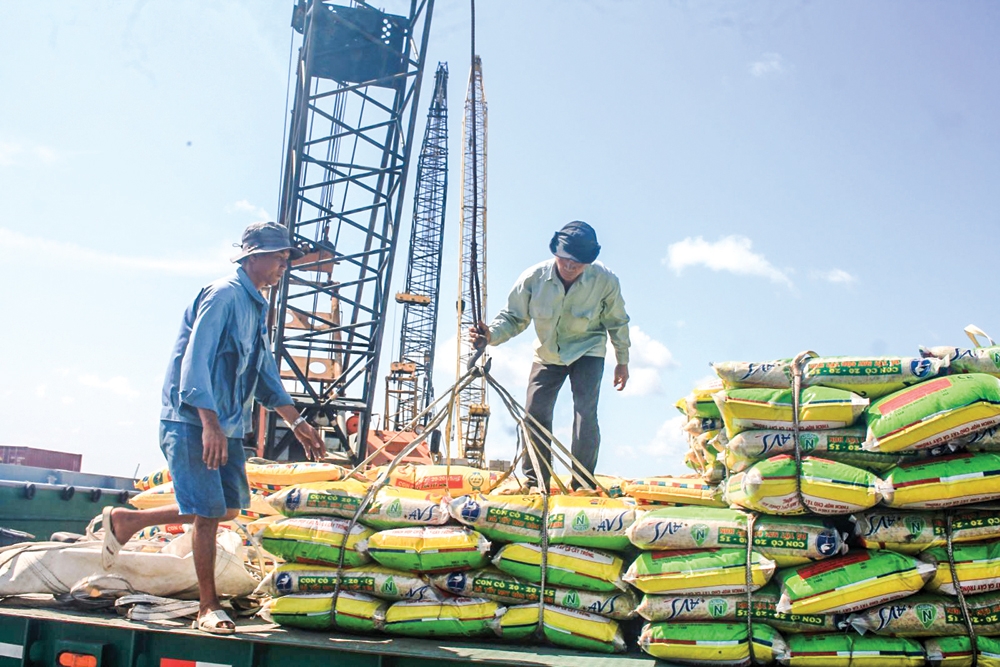
In reality, input costs for the food sector have risen significantly, at times surging by 50–60%, including raw materials, energy, and logistics. Meanwhile, consumer demand has yet to fully recover, making it difficult for businesses to proportionally raise selling prices.
To maintain market share, many companies have been forced to keep prices unchanged or only make minimal adjustments, leading to eroding profit margins. A number of firms have had to optimize operations, cut costs, or restructure product portfolios to adapt in the short term.
However, cost pressures extend beyond financial concerns, requiring a fundamental shift in growth models. Previously, competitive advantages were largely driven by low costs and high output. Under current conditions, this model is increasingly revealing its limitations. With little room left to compete on price, businesses are compelled to pursue more sustainable strategies.
According to Mr. Trinh Ba Cuong, Secretary General of the FFA, a longstanding bottleneck of the industry has been its reliance on imported materials and additives. This is despite Vietnam’s clear advantages in land, cultivation, and farming zones, which have yet to be fully leveraged for deep processing and technological investment. He noted that while Vietnam can domestically supply around 60–70% of primary raw materials, up to 80% of auxiliary inputs—such as flavors and additives—are still imported.
“In the coming period, digitalizing farming and aquaculture zones will help enhance input transparency, improve traceability, and lay the foundation for greater supply autonomy. At the same time, the industry must accelerate deep processing to increase agricultural value and reduce import dependence,” Cuong emphasized.
The shift toward a “value-driven race” is becoming increasingly evident across the industry. Rather than focusing on output volume, businesses are placing greater emphasis on quality, value addition, and compliance with market standards. One key strategy is investing in raw material zones to secure supply, control quality, and reduce exposure to external volatility.
Associate Professor Dr. Hoang Kim Anh, a Standing Committee Member of VAFoST, recommended that amid rising input costs, businesses should optimize product formulations by reducing the use of high-cost ingredients and replacing them with more suitable alternatives while maintaining quality.
On strategy, Ms. Kim Anh suggested that businesses should shift from price-based competition to value-based competition, focusing on developing high-quality, health-oriented product lines that can command better pricing. In particular, there is a growing trend toward using natural ingredients with clear origins, minimal processing, limited synthetic additives, and improved health compatibility.
Notably, the role of research and development (R&D) is becoming increasingly critical. As consumers place greater emphasis on health, functional foods, and sustainability, the ability to innovate products has become a decisive factor in competitiveness. R&D is no longer a supporting function but is emerging as the core of corporate strategy in the food industry. Collaboration among businesses, scientists, and regulators is seen as key to both cost control and value enhancement.
Amid ongoing volatility, a balanced sharing of risks and benefits among stakeholders will help the industry maintain stability and achieve sustainable growth. Companies that are slow to adapt will face mounting challenges, while those proactively shifting toward a value-driven model will have opportunities to break through. As the rules of the game evolve, competitive advantage no longer lies in offering lower prices, but in delivering better, safer, and higher-value products.
Source: vneconomy.vn

